Seasonal Lighting: How to Beat the Winter Blues with Brighter Mornings
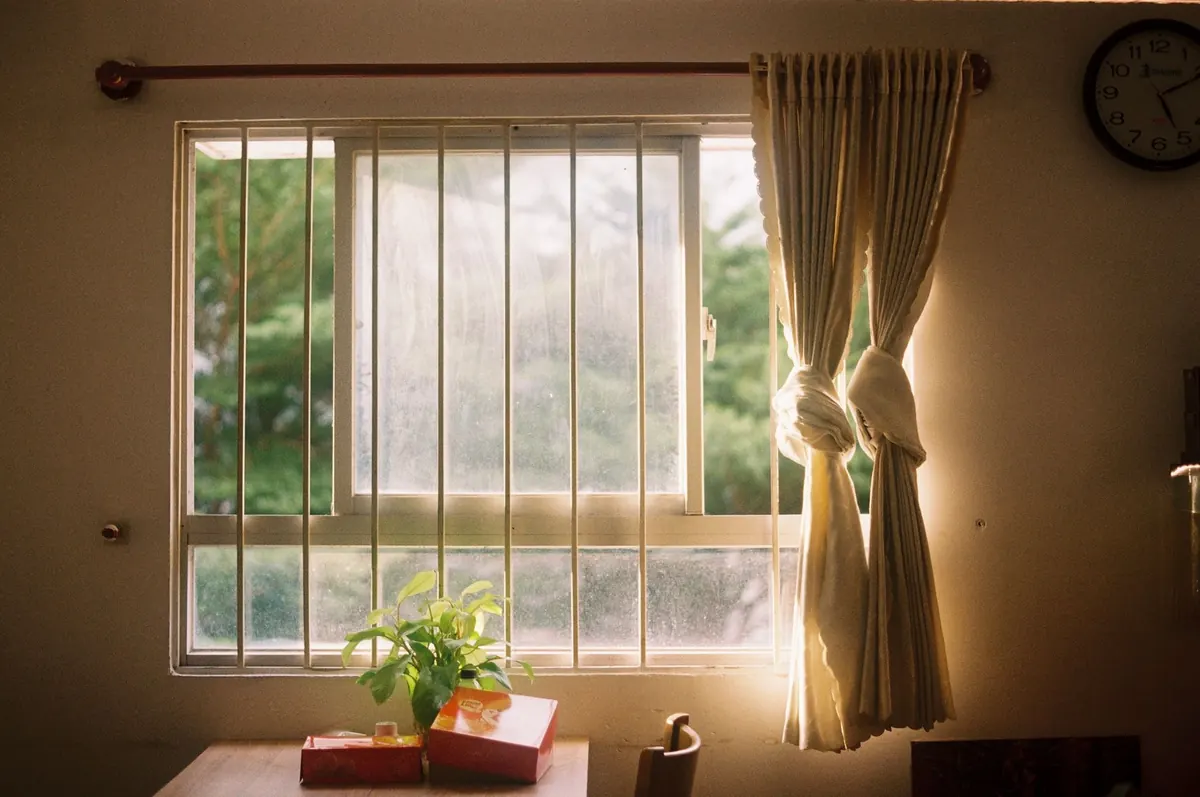
In December, the alarm goes off at half past six and the bedroom is still black. You eat breakfast under one bulb, commute in the gloom, and by the time you get home the curtains are already drawn against the dark. It is no wonder that mornings feel heavy and the sofa wins more evenings than it should.
Light is the main signal your body uses to work out what time of day it is. Get that signal wrong — dark mornings, bright screens at midnight — and everything downstream drifts: sleep, appetite, motivation. The fix is mostly mechanical. Brighter light earlier, dimmer light later, and a bit of patience while your body catches up.
Why mornings do most of the work
Your internal clock runs slightly long, which means it needs a nudge every day to stay aligned with the 24-hour world. Morning light is that nudge. Light entering the eye soon after waking tells the body that the day has started, which helps you feel alert in the morning and sleepy at a sensible hour that night.
Evening light does the opposite. A bright lamp at 9pm pushes the clock later, so you lie awake and then struggle to get up. This is why the same daylight lamp that lifts a January morning can work against you if you leave it on while watching television. Timing is not a detail here; it is the whole mechanism.
Wake-up lights: a sunrise on a schedule
A wake-up light, sometimes sold as a dawn simulator, sits on the bedside table and brightens gradually over the half hour or so before your alarm. Most start with a low, warm glow and build to a much brighter white, often with birdsong or a radio at the end. The idea is to meet the morning with light rather than with a jolt of noise in a black room.
The practical benefit is that you wake into illumination rather than darkness, which makes getting out from under the duvet noticeably less grim in February. It also gives you a reason to keep your alarm time steady, since the light is doing part of the work.
What to look for
- A slow ramp of at least 20 minutes, ideally 30. Abrupt switches feel gimmicky.
- Enough final brightness to read by at arm's length. If you can barely tell it is on, it will not do much.
- A sunset fade you can use at bedtime. Dimming down over 20 minutes is a useful cue to stop scrolling.
- Simple controls. If setting it takes a manual, you will stop using it by week two.
Daylight lamps: the practical workhorse
A daylight lamp is a flat, bright panel designed for you to sit near while you get on with something else. Lamps sold for this purpose usually deliver around 10,000 lux at a stated distance — check the box, because distance matters enormously. Light falls off with the square of the distance: move twice as far away and you receive roughly a quarter of the intensity. A lamp that works at 30cm does very little across the room.
Sit within the recommended range, angled to the side of your face rather than straight on, and keep it in your field of view without staring into it. Glancing at it now and then is fine; a fixed stare is not necessary and will leave you with a headache.
Many people use one for 20 to 30 minutes in the morning. Treat that as a starting point and follow the manufacturer's guidance, since output varies a great deal between models. If you have an eye condition, or you take medication that can make you sensitive to light, speak to your GP or pharmacist before using one.
Timing beats intensity
The most common mistake is using a daylight lamp in the late afternoon, when it is least useful and most likely to interfere with sleep. Aim for the first hour after waking. If that is impossible, mid-morning is a reasonable second best, and anything after about 4pm is usually counterproductive.
Pair the lamp with something you already do — breakfast, a coffee, the first emails of the day — so it becomes part of the routine rather than another task. Consistency across the week matters more than owning the perfect lamp. A decent panel used every weekday morning will do more for you than an expensive one used twice.
Bright days, dim nights
The rest of your lighting matters too, and this part costs nothing. Open the curtains as soon as you are up, even on a grey day: outdoor light is far brighter than indoor light, and an overcast morning still beats a well-lit living room. Sit near a window if you can, and take a short walk at lunchtime without sunglasses.
After dark, reverse it. Use table lamps and wall lights rather than a single bright ceiling fitting, fit dimmers where you can, and drop the brightness in the last hour before bed. Warm white bulbs suit this better than cool white ones, which read as daylight and can make the brain think the day is still going. Reducing screen brightness in the evening helps as well.
A four-week morning routine
- Set your wake-up light to begin 30 minutes before your alarm, and keep the alarm time fixed — weekends included, or within an hour.
- Open the curtains immediately on waking, whatever the weather.
- Put your daylight lamp where you have breakfast, on a plug timer if that makes it easier.
- Sit within the recommended distance for 20 to 30 minutes, lamp off to the side, while you eat or read.
- Get outside for 10 to 15 minutes mid-morning or at lunch, no sunglasses.
- From early evening, switch to low, warm lamps and dim the room as bedtime approaches.
Give it a fortnight before judging it. The body clock shifts gradually, and the first few days often feel no different.
Getting it right for you
Start with one change: a lamp on the breakfast table, or a wake-up light instead of a harsh alarm. Add the rest once that has stuck. If your mornings are fine but your evenings are the problem, look at your lighting after dark first — that is often where the fix lies.
Low mood that lasts for weeks, or that stops you functioning at work or at home, deserves more than a brighter desk. Speak to your GP. Light and routine are useful supports, not a substitute for proper advice, and there is no need to struggle through a whole winter before asking for it.
Photo: Alex Nguyen / Pexels